

Your Inspection

What to Expect From Your Inspection

Whether you’re buying a home, getting a property ready to sell, or just keeping tabs on regular maintenance, I show up ready to give your inspection the same level of care every time. As a certified home inspector, I want your inspection to feel educational, not overwhelming.

I follow the Standards of Practice set by InterNACHI, a respected name in the home inspection industry. During your inspection, I go through every major system and accessible component of the home and flag anything that needs a closer look or immediate attention.

Once the walkthrough wraps up, I’ll go over the home’s overall condition with you and your real estate agent, covering anything significant in plain, straightforward language. You’ll get a full report delivered digitally, organized with photos and clear descriptions of everything I covered during your inspection. It’s built to give you a clear, visual understanding of the property so you can move forward with confidence.

Frequently Asked Questions

I check the home’s structural components, roof, plumbing, electrical systems, heating and cooling, insulation, windows, doors, and more. Depending on the size of the property, your inspection typically runs two to three hours, sometimes longer if I’m also running a sewer scope or thermal scan.

Make sure the areas I’ll need to access, like the attic hatch, crawlspace entry, electrical panel, and water heater closet, are clear of storage and clutter. If pets will be on site, please have them contained so I can move through the home safely and efficiently.

No. A home inspection isn’t a pass or fail test. It’s a detailed look at the condition of the property. You may see several items noted on the report, and that’s normal. Those notes are there to inform you, not to grade the house.

You technically can, but I wouldn’t recommend it. Skipping an inspection means you could end up owning a home with issues you didn’t know existed, and those surprises tend to be expensive.

I might point out smaller repairs you could handle yourself, but I don’t perform repair work. My job is to tell you what I find and let you decide who fixes it and how, which keeps things fair and avoids any conflict of interest.

They can. If I find something that lowers the home’s value, or something that needs repair before it’s sold, that can factor into how the appraisal shakes out. From there, it’s up to the buyer and seller to sort out who handles which repairs.

5 Benefits of a Home Inspection

Negotiations Leveraged

Buyers can use the inspection report to negotiate a better price or ask for repairs, while sellers can choose to address issues before listing to justify their asking price.

Ensures Your Safety

A home inspection evaluates critical safety concerns such as electrical hazards, carbon monoxide risks, mold, and structural integrity.

Prepares You For the Future

We can point out components near the end of their lifespan (such as HVAC systems or water heaters) so you can budget accordingly.

Garners Trust

Sellers who conduct pre-listing inspections can show transparency and build buyer trust, potentially leading to quicker offers and smoother negotiations.

Grants Peace of Mind

Knowing the condition of the home helps you feel confident in your purchase or sale and reduces surprises after the transaction.

What's Included in a Home Inspection?

Roof

Roof coverings, gutters, downspouts, vents, flashing, skylights, chimney, roof penetrations and the general structure of the roof.
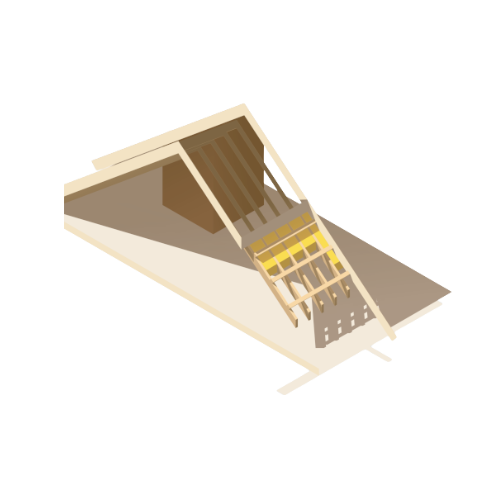
Attic, Insulation, Ventilation

Insulation and ventilation of unfinished spaces, including attics, crawl spaces, foundation areas and exhaust systems.
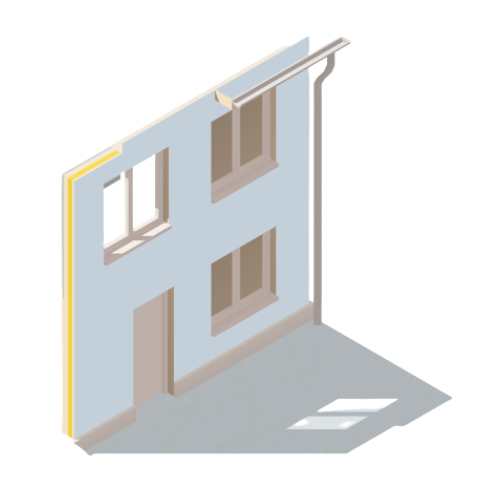
Exterior

Siding, windows, exterior doors, flashing & trim, walkways, driveways, stairs, patios & decks, and drainage.
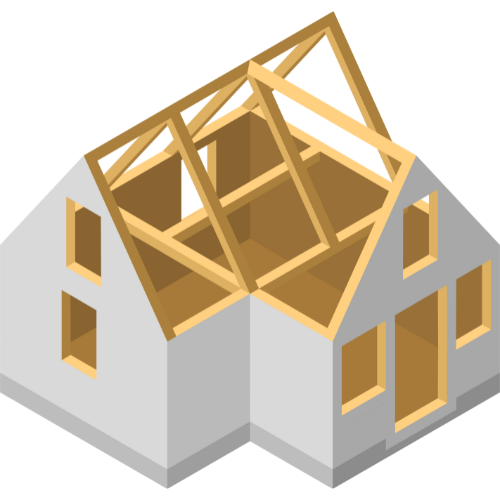
Basement, Foundation, Crawlspace, Structure

Foundation movement, cracks, structural concerns, and indication of water penetration.
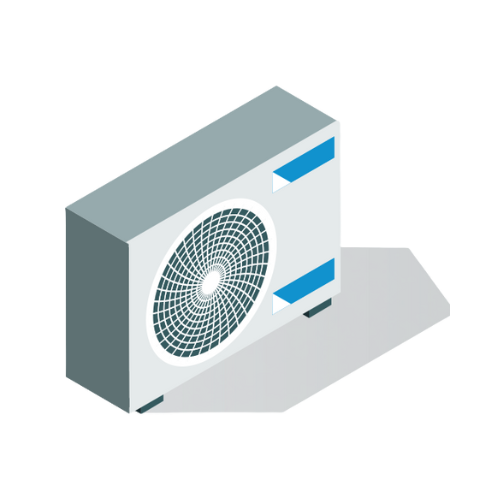
Cooling

Cooling system, location of thermostat, energy source and cooling method.
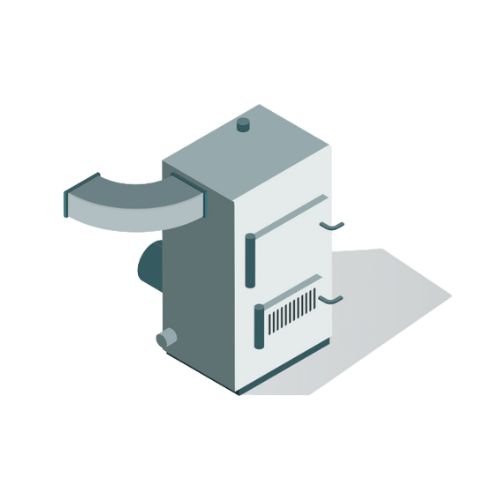
Heating

Heating system, location of thermostat, energy source and heating method.
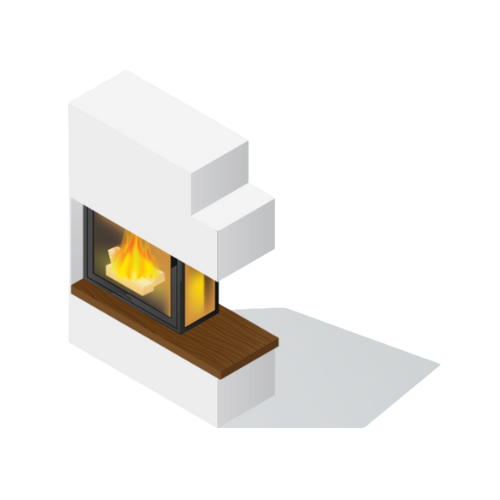
Fireplace

Visible portions of the fireplace & chimneys, lintels, damper doors, and cleanout doors & frames.
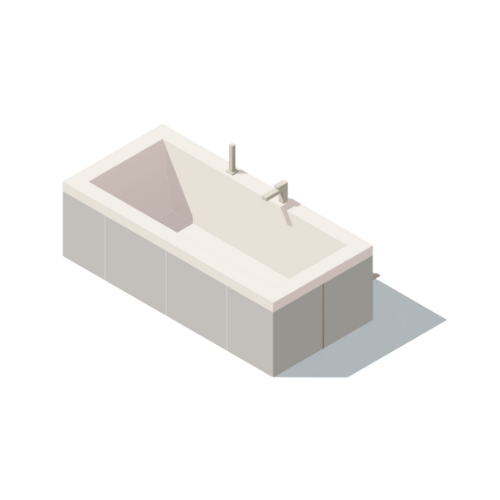
Plumbing

Main water & fuel supply shut-off valves, water heater, interior water supply, toilets, sinks, tubs, showers, drain, waste and vent systems.
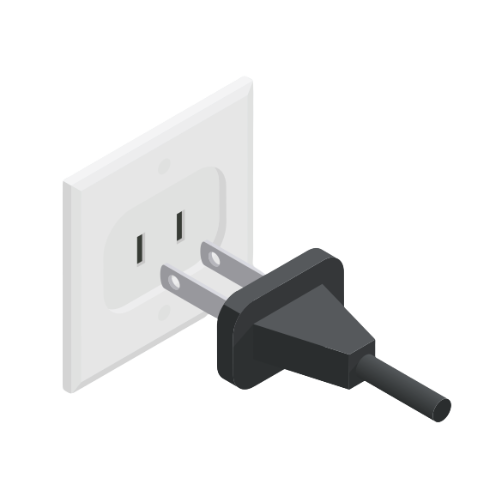
Electrical

Service drop, overhead service conductors, service head & mast, main service disconnect, panelboards, grounding, switches, light fixtures, receptacles deemed to be AFCI & GFCI, and the presence of smoke alarms & carbon monoxide detectors.
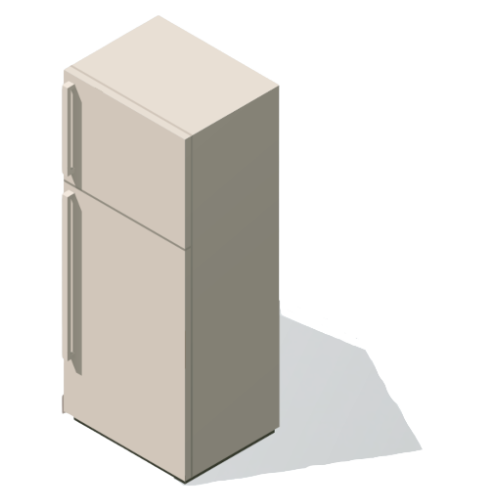
Appliances

Dishwasher, disposal, range, oven, microwave, refrigerator, exhaust, bathroom heater, garage door, doorbell, and dryer vent

Doors, Windows, Interior

Representative number of doors & windows, floors, walls, ceilings, stairs, railings, garage door and openers.

© Copyright 2026 Spectora Inc.

Secure Investment, Secure Future

Agent Resources

We are proud to offer top-quality home inspection services to real estate agents.

What We Inspect

Learn what aspects of your home our thorough inspectors cover.

Sample Report

Learn more about what you can expect from our easy-to-read home inspection reports.